
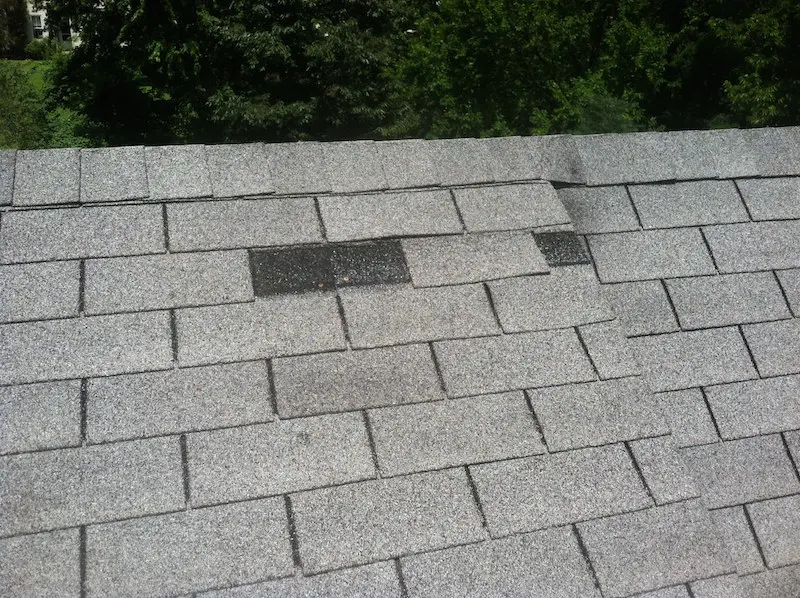
As a homeowner with a shingle roof, you might never have even heard of shingle granules, but they are a crucial aspect of your roofing system. Those small, granular particles on the surface of your shingles serve a vital purpose, and when they begin to wear away, it can have significant consequences for the health and longevity of your roof. So, what is shingle granule loss, what does it means for your roof, and how will it affect the overall performance and longevity of your roof?
What Are Shingle Granules?
Before delving into shingle granule loss, it’s essential to understand what shingle granules are and what their role is in roofing. Shingle granules are tiny, sand-like particles that cover the surface of asphalt shingles. They serve several critical functions:
- UV Protection: One of the primary roles of shingle granules is to protect the asphalt layer on the surface of your roofing shingles from the damaging effects of ultraviolet (UV) rays. Without these granules, the sun’s radiation can break down the asphalt, causing the shingles to deteriorate much more quickly.
- Aesthetic Appeal: Granules provide texture and color variation to the shingles on your roof, enhancing the curb appeal of your home. They come in various colors to match different architectural styles, and they help to prevent all shingle roofs from looking exactly the same.
- Fire Resistance: Some shingle granules are designed to make shingles more fire-resistant, improving safety and meeting local building codes, although this typically varies depending on the region you live in.
Shingle Granule Loss: What Is It?
Shingle granules don’t last forever. Over time, various factors can lead to granule loss, which can either be due to normal wear and tear or a sign of a more significant issue. Here are some common causes and signs of shingle granule loss:
- Age: As shingles age, the adhesive that holds granules in place may weaken, leading to granule loss. It’s natural for older shingles to experience some level of granule loss. This type of loss naturally occurs towards the end of the expected life expectancy of your roof.
- Weathering: Harsh weather conditions, such as heavy rain, hail, or strong winds, can dislodge granules from your shingles. This is particularly common during and after severe storms.
- Poor-Quality Shingles: Low-quality or poorly manufactured shingles may experience granule loss more quickly than high-quality shingles. (This isn’t always connected to the cost of the shingles – so getting solid advice from your trusted, local roofing contractor can help to prevent making a bad choice and accidentally ending up with lower-quality shingles.)
- Manufacturing Defects: In rare cases, even good quality shingles may have manufacturing defects that cause granule loss even in newer roofs. (This is why it’s important to use products that come with a good warranty.)
- Moss and Algae Growth: The growth of moss and algae on your roof can loosen granules as the moss and algae take root and spread. (This is only one of many reasons that you should address any moss or algae growth on your roof – this is not a problem to ignore under any circumstances.)
Signs of Shingle Granule Loss
- Granules in Gutters: If you notice an accumulation of granules in your gutters, or in the area where your downspouts drain, it’s a clear sign that your shingles are losing granules.
- Shiny or Bald Spots on Your Shingles: If you see areas on your roof that appear shiny or bald, this is another sign indicative of granule loss. The exposed asphalt may be vulnerable to UV damage and deterioration.
- Inconsistent Color: If your roof’s color seems uneven, with some areas looking more faded than others, it could be due to granule loss.
- Reduced Weather Resistance: Shingles with granule loss are less able to withstand harsh weather conditions, making your roof more susceptible to leaks and damage. If your roof is leaking or damaged, one of the many things your roofing company will check is the state of your shingles.
How Shingle Granule Loss Affects Your Roof
Shingle granule loss can have several negative consequences for your roofing system:
- Reduced UV Protection: As granules wear away, the asphalt layer of your shingles becomes exposed to UV rays. This makes your roof more vulnerable to UV damage, leading to premature aging and deterioration of the shingles themselves.
- Vulnerability to Weather Conditions: Shingles with granule loss are less capable of withstanding adverse weather conditions, such as rain, hail, and wind. This can result in increased susceptibility to leaks and damage.
- Decreased Energy Efficiency: Granule loss can affect the reflective properties of your shingles. When shingles lose their reflective granules, they may absorb more heat, potentially increasing your home’s cooling costs, causing your energy bills to creep up over time.
- Shortened Lifespan: Shingle granule loss accelerates the aging process of your roof. This means that your roof may not reach its expected lifespan, requiring more frequent repairs or a premature replacement.
What Can You Do About Shingle Granule Loss?
If you’re worried that you’re seeing signs of shingle granule loss on your roof, it’s essential to take action promptly to prevent further damage. Here are some steps to consider:
- Roof Inspection: Schedule an appointment with your local roofer for a professional roof inspection to assess the extent of granule loss and any underlying issues. A qualified roofer can provide recommendations for repairs or replacement if necessary.
- Repairs: In some cases, it may be possible to repair areas with granule loss by replacing either individual shingles or damaged shingles, or by applying additional sealant. Your roofing contractor can determine the best course of action.
- Roof Replacement: If granule loss is extensive or your roof is nearing the end of its lifespan, a full roof replacement may be the most cost-effective and long-term solution. Your roof repair specialist can let you know whether a replacement is the best option for your specific circumstances.
- Regular Maintenance: To prolong the life of your roof and prevent granule loss, perform regular roof maintenance, such as keeping your gutters clean, removing debris, and addressing any signs of moss or algae growth.
Shingle granule loss is a common issue that can affect the health and performance of your roof. Understanding the causes, signs, and consequences of granule loss is essential for all homeowners who have a shingle roof. If you suspect granule loss on your roof, don’t hesitate to contact a professional roofing contractor to assess the situation and recommend the best course of action to protect your investment and maintain the integrity of your home. If you’re local to Cincinnati, call us here at Harper Siding and Roofing for a detailed professional evaluation and a cost-effective estimate on any work your roof might need.