
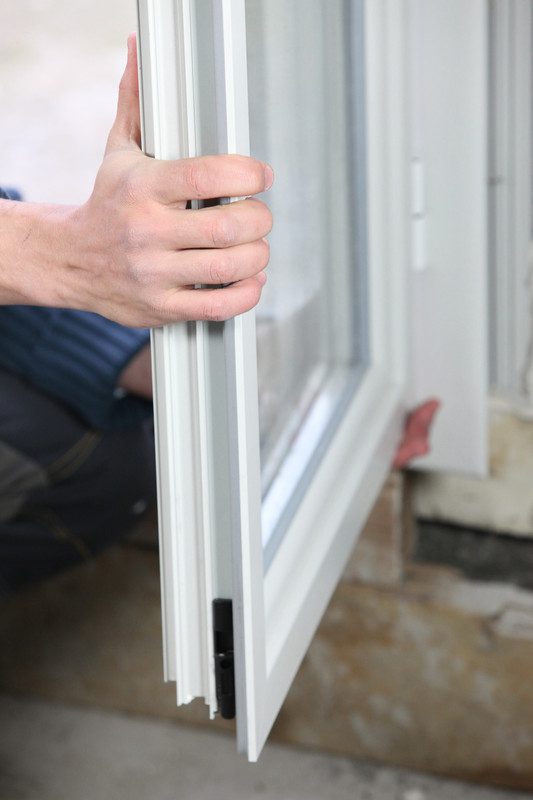
Although we frequently remind our customers that it might cost less to replace your windows than you’d expect, it’s still true that it’s a significant investment — financially, as well as in effort and consideration — in your home. And once you’ve gotten your new replacement windows installed, you’d probably like to not have to replace them again for a while. How can you best care for your new windows so as to maximize their beauty and longevity?
1. Less is More
The first thing to remember about new replacement windows is that they don’t need a lot of care. Properly installed replacement windows will start producing benefits for your home immediately (in terms of energy efficiency and aesthetic appeal), without any additional effort on your part. You don’t have to do a lot.
2. Cleaning the Windows
No matter how new and gorgeous your replacement windows are, you will have to clean them. (Sorry about that — but we promise that if anyone invents self-cleaning windows, we’ll let you know!) The most important thing to remember about cleaning your new windows is that you do NOT want to use harsh or abrasive cleansers on the glass. Think about it: your new windows were sparkling and clear on the day they were installed. You don’t want to scratch them up with abrasive cleansers! Washing your windows with glass cleaner (such as Windex) or a combination of water and vinegar are your best bet. (Some people recommend diluting a mild soap in water, but if you don’t dilute your soap enough, you’ll get a sticky film on the window, so we don’t recommend this option.) Use a soft, non-abrasive cloth to wipe your windows — microfiber and soft sponges are good choices.
3. Maintaining the Frames
For window frames, the material of the frame is going to determine the best course of maintenance. Metal or vinyl frames don’t really require maintenance beyond an occasional cleaning. To clean vinyl or aluminum frames, a little bit of gentle, diluted soap can be a good option, though make sure to wipe it off with plain water at the end to avoid leaving a residue that can attract dust and dirt.
For wooden frames, on the other hand, you’ll need to plan for a bit more extensive maintenance. Wooden frames should be inspected regularly for any signs of damage or rot, and wooden window frames will typically need to be repainted every few years (the exact timing will depend on the climate in your area, the material of your frames, and even the direction the windows are facing). You can ask your window replacement company, at the time of installation, how frequently they expect the wooden window frames will need to be repainted.
4. Special Consideration for Window Coatings and Films
Be especially cautious when cleaning windows with coatings or protective films. It’s best to ask your window installation company for recommendations on cleaning these specialty windows to ensure you don’t remove or damage the film or coating. If you notice a problem with these types of windows, it’s best to get your window installer or a local window replacement company out to take a look — it’s always good to deal with window problems promptly.
5. Caulk
The caulk or sealant around your replacement windows should be visually inspected at least once per year (once in the spring and again in the fall is ideal, though). Look for any missing, loose, or crumbling caulk. Look for places where there are visible gaps or noticeable drafts. Caulk is very easy to replace or fill in, and having proper caulking around your new replacement windows can make the difference between getting that energy efficiency you were hoping for, and not.
Whether you’re looking to replace your home’s windows, you’d like some tips on maintaining your new windows, or your yearly visual inspection turned up concerns you’d like to have us look at, give us a call here at Harper Siding and Roofing. We’d be happy to help your windows last.